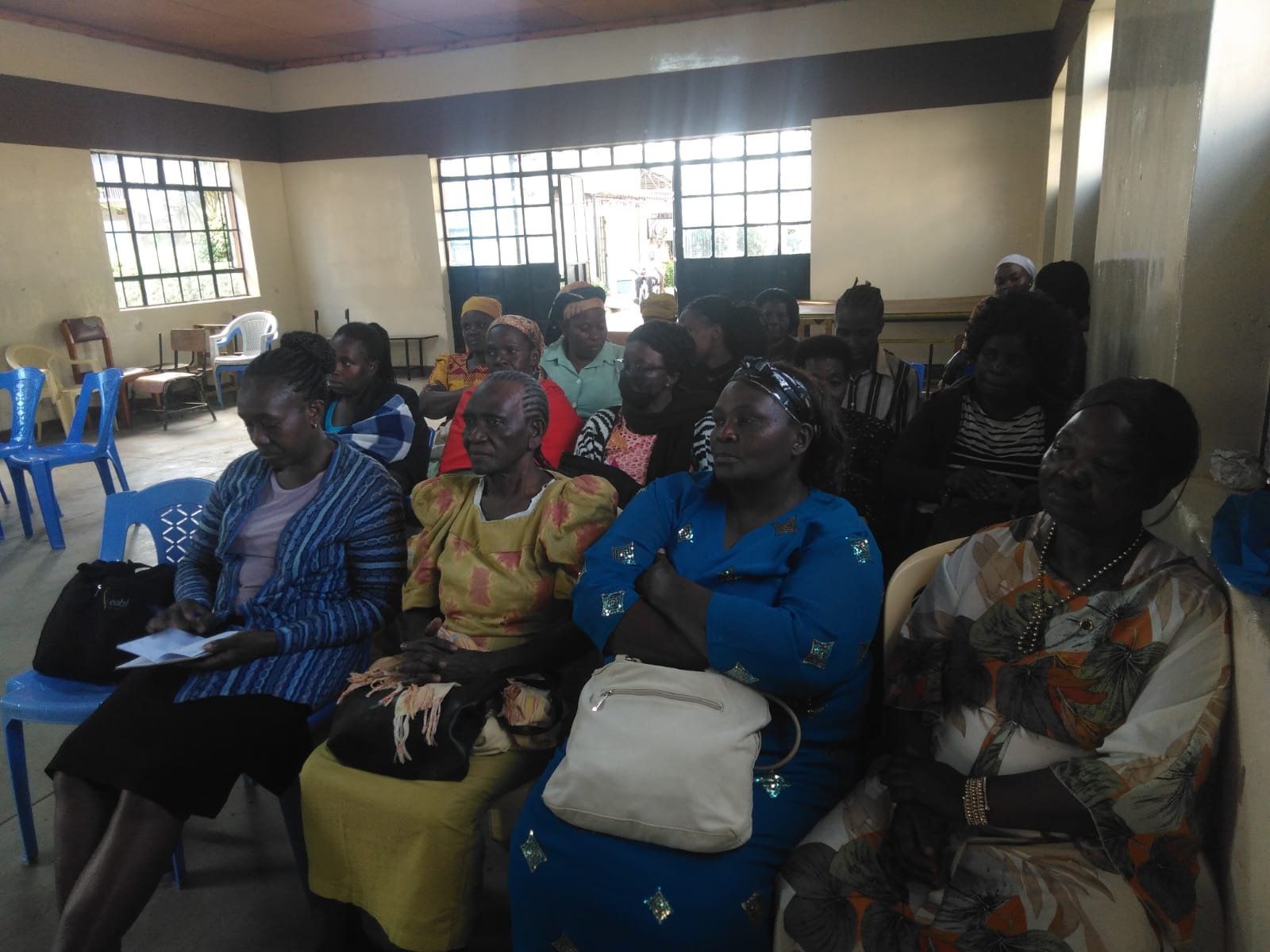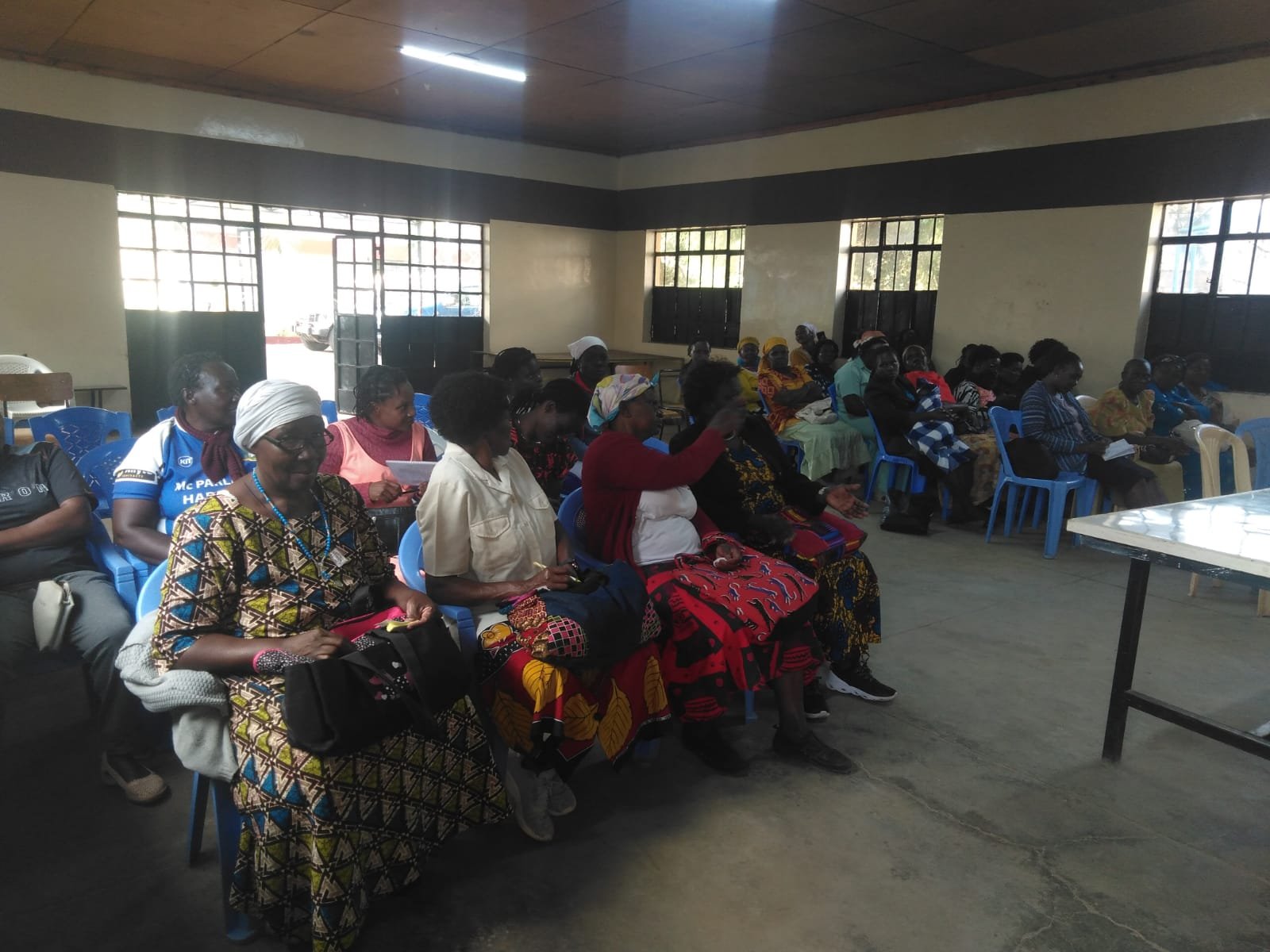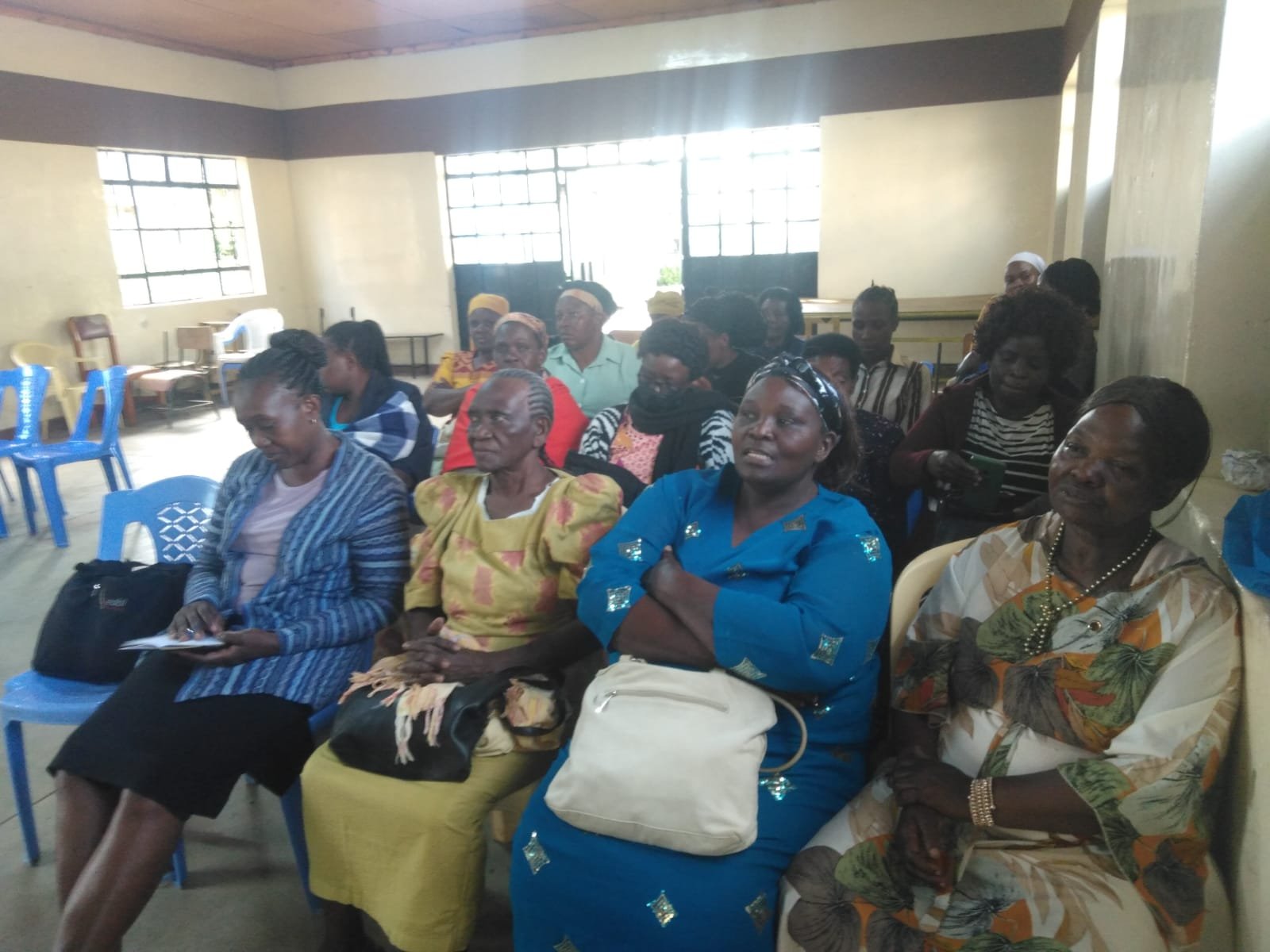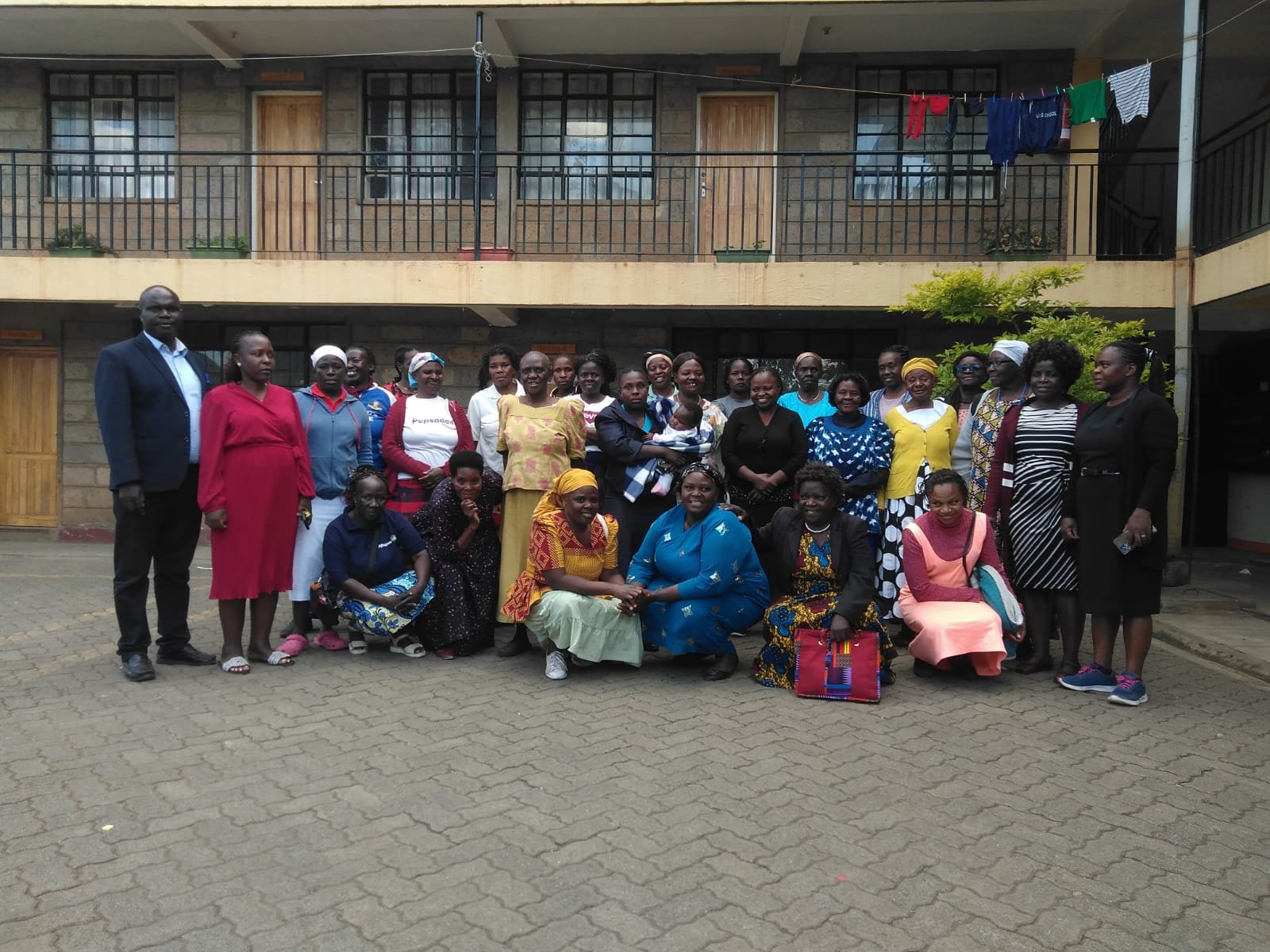
Our testimonies
God's doing...
WOMEN EMPOWERMENT –SEED MONEY
Women’s economic empowerment is central to realizing women’s rights and gender equality. Women’s economic empowerment includes women’s ability to participate equally in existing markets; their access to and control over productive resources, access to decent work, control over their own time, lives and bodies; and increased voice, agency and meaningful participation in economic decision-making at all levels from the household to international institutions.
Empowering women in the economy and closing gender gaps in the world of work are key to achieving the 2030 Agenda for Sustainable Development social-economic empowerment, therefore, is the process of liberating people and communities from cycles of poverty and assigned social roles and giving them the resources (employment, education, health services, etc.) to raise their and their communities’ social and economic opportunities.
Testimonials
Irene
In February 2026, Irene received KSH 8,000 as seed money from Friends for change Initiative, to start a small business of a salon in Kawangware Slums of Nairobi.
“I used the seed money to buy more material and because April is a busy month I earned some profit. With the money, I will be able to pay fees for my three children when schools resumed in May, and pay for my house rent,” Irene adds.
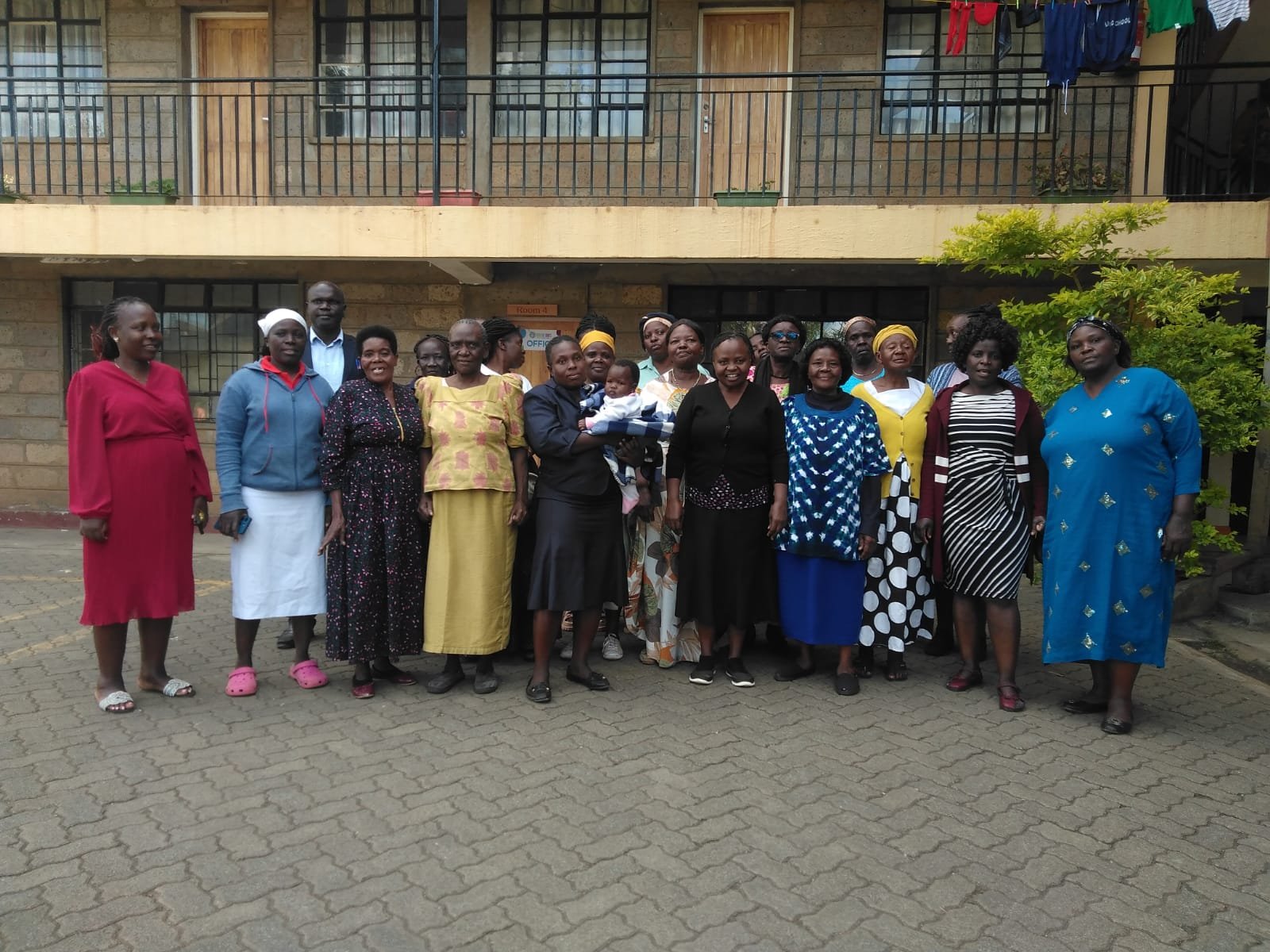
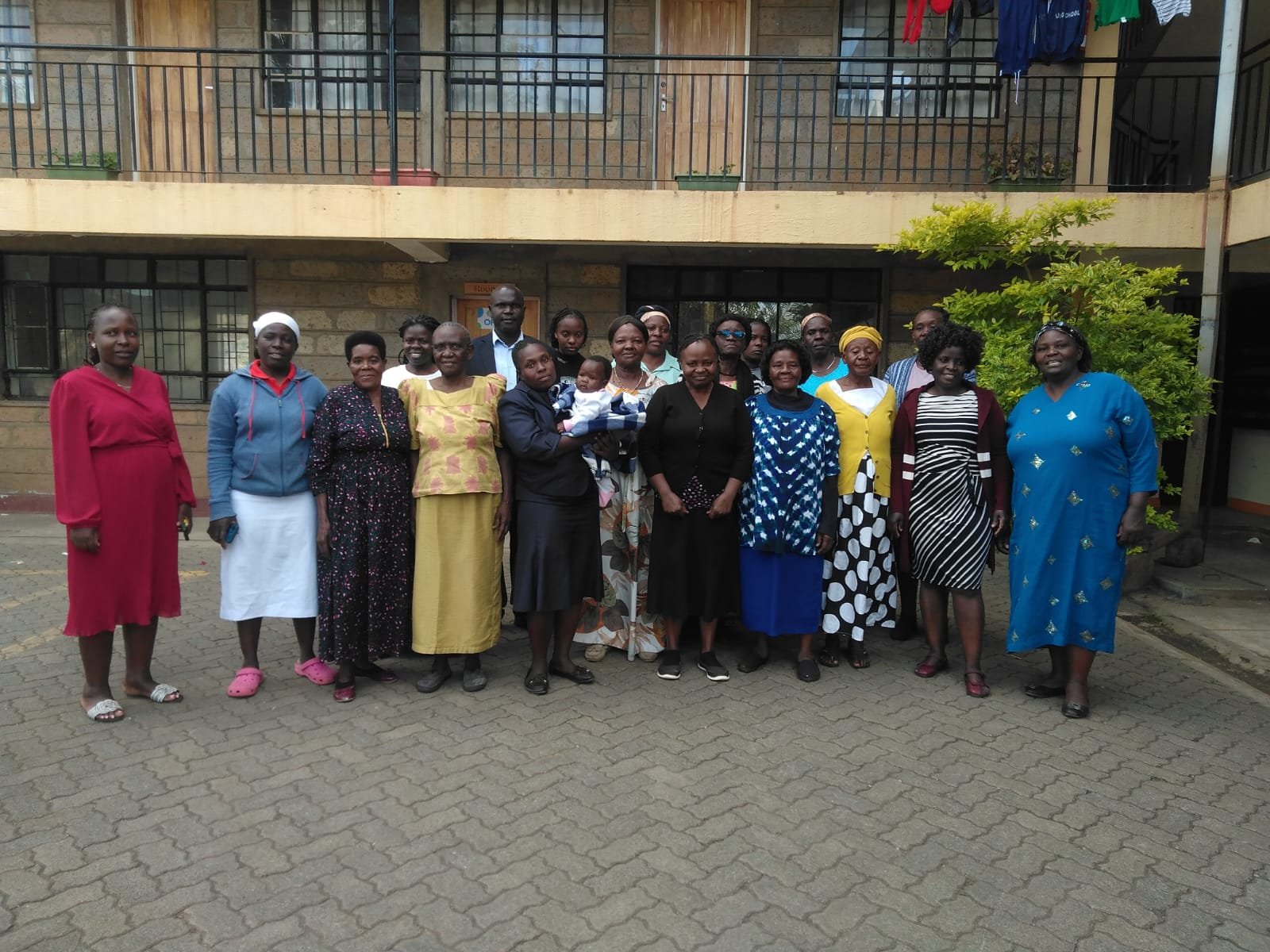
In addition to this, Irene and other 49 women in Kibera and Kawangware urban slums are benefiting from online business training, and have been connected with an online supportive community of ambitious women entrepreneurs’ courtesy of the Friends for change Initiative.
Irene has employed two women in her business, and also offers apprenticeship opportunities to young women who are interested in learning braiding.
Mary
Mary is a single mother with four children. Mary is 47 years old. Her eldest child is 20 years and the youngest is 14 years. The eldest child sat for her high school exams last year, she passed dwell, she needs to join the University but Mary doesn’t have source of income to support her. The second born child will be sitting for his final exams at the high school end of this year 2024. Mary has an open food kiosk where she sells cooked food and snacks to passersby. Through these sells she is able to support her children pay fees, buy books at school, uniforms and general upkeep. After we gave her the seed money of Kshs.8,000, Mary has since expanded her business, she now cooks more food. She has expanded the sitting area; thus, more customers can comfortably eat food while seated. Mary’s last-born son has a medical problem called sickle cell anemia, but she is on dedication. She looks forward to expanding her business more and more.
Mildred
Midred aged 43 years old was widowed in 2020 due to covid 19. Her late husband left her with three children aged between 14 years and 9 years respectively. Mildred is unemployed, but she is so committed to our project. We are a committee and time and again we contribute to help her put food on her table, and to
enable her pay for her house rent. We managed to get a well-wisher who is taking care of her children’s schooling.
After talking to Mildred, she opened up and said, she wants to do green vegetables selling both on retail and wholesale. We gave her seed money of Kshs.8,000 and she has started up her business which is doing very well. She now has consisted customers. We do hope that, since her business is doing well, we want to relieve ourselves of the burden of buying her food, and paying for her rent so that her business can help her meet this obligation. We, can comfortably say that someone’s life and situation has changed for better.
Rispa
Rispa is a widow, her husband passed on 8 years ago leaving her with six children. Rispa is not employed but she sells snacks along the road. She has multiple challenges, she has high-blood pressure, diabetic and hepatitis B. These diseases have always taken he to hospital time and again. Her children are committed members in our project, members of our committee contribute time and again to support this family put food on the table and to pay for their rent. We got a well-wisher who is supporting her three children who are in high school. Rispa, requested us to support her start a small business, after the business training, Rispa says “Scales have fallen from my eyes”, so we gave her seed money of Kshs.8,000 she has since started a saloon and a boutique where she is plaiting and selling. The business has picked up well. She told us that starting this month, she will be taking over full responsibility of her family, thus our committee will be relieved of the task.
Robai
Robai is a single mother with three children aged 21 years, 19 years and 10 years. She lives with the three children in a one roomed house in Kawangware slums. Robai is HIV/AIDS positive. Though she is living in denial, she has not accepted and thus she has not started receiving the ARV’s. Currently, Robai is not employed; in fact she has given up in life. Last month she wanted to commit suicide but she was saved by a neighbor. Two of her children are committed members of our mushroom project, the youngest child is in primary school though very sickly. We have engaged one of the committee members to be meeting with Robai at least two days per week to help her accept herself and the condition she is going through. When we talked to her about how we can be of help to her, she said we start for her a grocery, from which she can be able to support her family. So, we gave her Kshs.8,000 to start the grocery and today the business has picked up very well. We hope that from this business she will be able to pay rent, feed the family and educate the younger son.
Loiy Muonje Kitenga
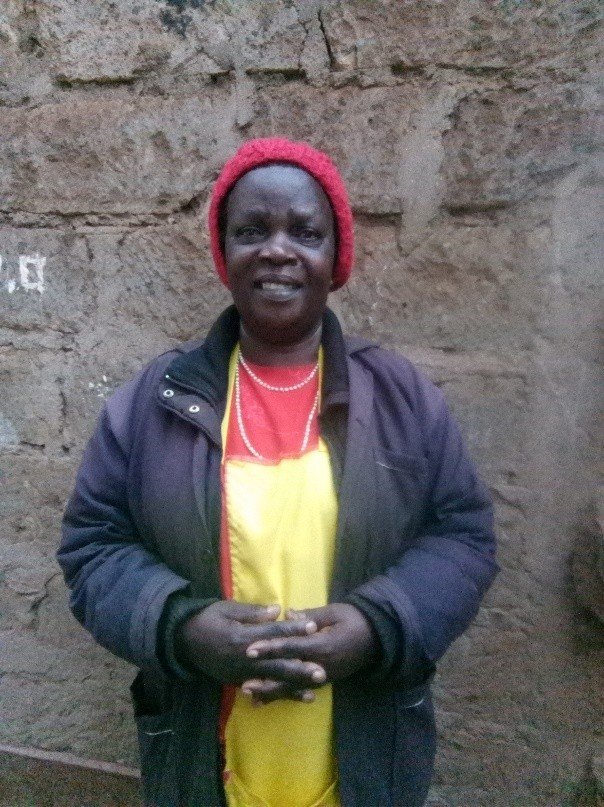
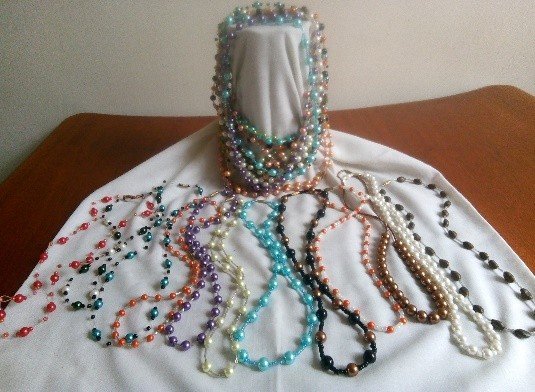
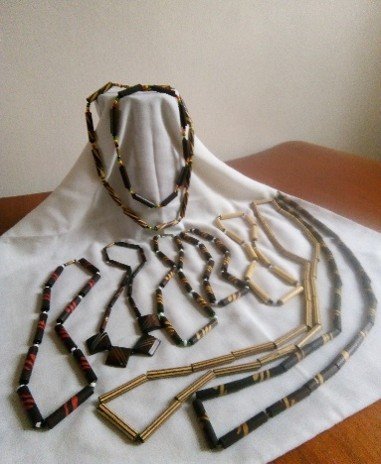
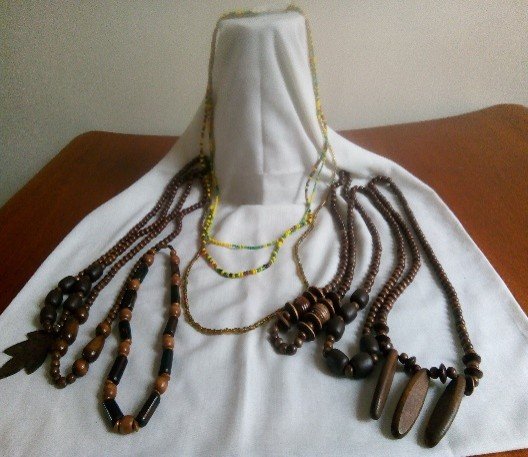
Loiy Muonje Kitenga was born in Vihiga County in Western Kenya. She left her home county and came to Nairobi to look for work. She worked for Lady Wood; the founder of Kazuri beads a well-known beads and jewelry factory in Kenya. Loiy was trained in making the beads and jewelry design. She left to pursue this line of work independently and was able to educate her children and buy a small property. The realization of the positive impact it had on her life instilled a desire in her to train other women so that they too could benefit as she has. A group of 15 women joined together to form a women’s group, or “Chama” as they are referred to in Kenya. The members of the group are from disadvantaged backgrounds and living in informal settlements. The women (who are comprised of single mothers, widows and refugees) have families that depend on them, but do not have a consistent source of income. The aim of forming the Chama is to train them in jewelry making from bead so as to provide them with a reliable source of income.
Working with beads has been transformative in all their lives, with overall improvement in their lives. They can pay fees and meet the daily needs of their families. Loiy believes that if they are able to purchase sufficient raw materials to work continuously this project will allow the Chama members to enjoy a good standard of living and lift their families out of poverty.
“They will be able to help themselves so much, it is a good job that they can be proud of. It has given me good experience and taken me so far and the members of the group enjoy the work and do a good job”
FFCI is working with Loiy to develop market linkages with buyers for the groups products so that their work is sustainable in the long run.
What's more...
We have been able to pay school fees for 23 children, both in high schools and colleges.
OUR GALLERY
We have gathered many beautiful moments during our journey...